
What Is Sharbat? The Middle Eastern Cooling Syrup Drink Explained

November 12, 2025
What Is Sharbat? The Middle Eastern Cooling Syrup Drink Explained
Sharbat is a name that confuses a lot of people the first time they hear it. Some know it as a rose-coloured drink served at Ramadan. Others have seen it labelled as a syrup on a shop shelf.
In some countries, sharbat means the syrup itself. In others, it means the finished drink poured over ice.
So, what is sharbat exactly? This guide clears that up. You will learn what it is made from, where it came from, and how it fits into modern drinks like basil seed beverages and falooda.
So, what is sharbat exactly? This guide clears that up. You will learn what it's made from, where it came from, and how it fits into modern drinks like basil seed beverages and falooda.
What Is Sharbat?
At its core, sharbat is a sweet, non-alcoholic cordial made from fruit or flower petals. A flavoured syrup gets diluted with cold water, milk, or sometimes soda, then served chilled or over ice.
The taste can be floral, fruity, tangy, or herbal, depending on the syrup used. Rose, lemon, tamarind, and pomegranate are some of the best known options.
Think of sharbat as a format rather than one fixed recipe. Syrup forms the base, and a cold liquid completes it.
You will find sharbat across Iran, Turkey, Armenia, Bosnia, the wider Arab world, Afghanistan, Pakistan, Bangladesh, and India. It is especially popular at iftar, the evening meal that breaks the daily fast during Ramadan.
What Does Sharbat Mean?
The word sharbat comes from Persian, where it describes a sugar and water drink. Persian in turn borrowed it from the Arabic word shariba, meaning "to drink".
A closely related Arabic word, sharab, once referred to alcoholic drinks. Over time, sharbat and its cousin sherbet came to mean sweet, non-alcoholic beverages instead, which is why the two words are often confused today.
Several English words trace back to the same root, including syrup, sherbet, sorbet, and shrub. That shared history explains why these drinks and desserts often get mixed up, even though they are quite different today.
What Is Sharbat Made Of?
Most sharbat recipes follow the same basic structure, built from three parts.
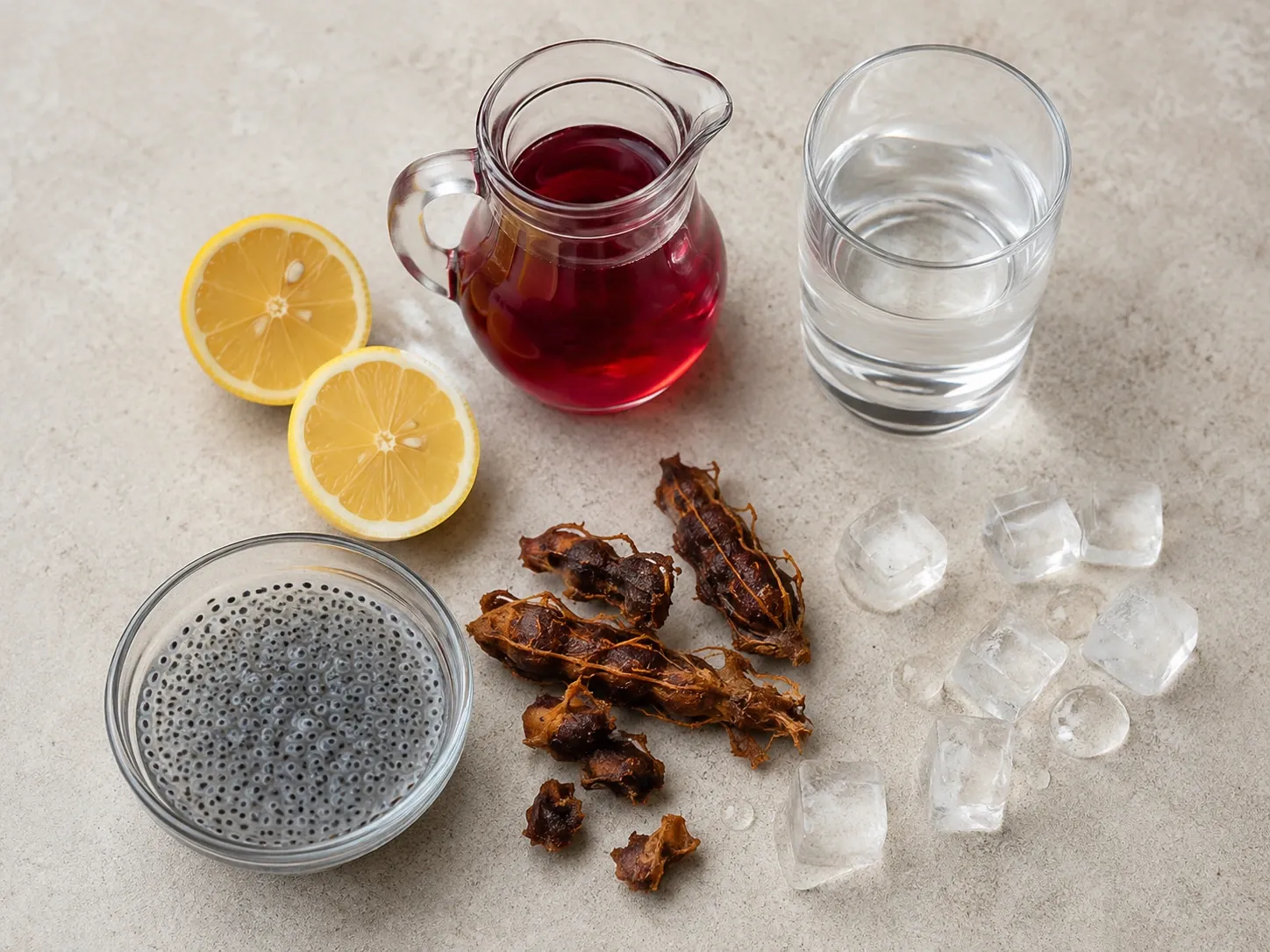
- A sweet base. Usually a sugar syrup, though honey and cane sugar are traditional alternatives.
- A flavour source. Rose water, lemon, tamarind, pomegranate, khus (vetiver), hibiscus, bael, sandalwood, or other fruit.
- A serving liquid. Chilled water, milk, or sometimes ice alone.
Some recipes add herbs, spices, a pinch of salt, soaked basil seeds, or chia seeds. Neither is essential, but both appear often enough in South Asian versions to count as classic additions.
When basil seeds soak in liquid, they form a soft gel coating around each seed. This adds texture rather than flavour, and it is one of the reasons sharbat overlaps so closely with basil seed drinks. Our guide to sabja seeds explains what these seeds are and how they behave in water, and our wider guide to basil seed drinks covers the category in depth.
Rose sharbat also goes by another name in South Asia: gulab sharbat, since "gulab" is the Hindi and Urdu word for rose. Both names describe the same rose-flavoured drink.
What Does Sharbat Taste Like?
Sharbat is usually sweet, cold, and fragrant, though the exact flavour depends entirely on the syrup.
Rose sharbat tastes floral and sweet, with a bright pink or red colour. Lemon sharbat is sharp and refreshing. Tamarind sharbat leans tangy and slightly sour.
Pomegranate sharbat has a fruitier, tart edge. Khus sharbat tastes grassy, cooling, and herbal, while sandalwood versions are soft and perfumed.
Texture changes with the recipe too. A plain sharbat is smooth and light. A version made with basil seeds feels thicker, since the swollen seeds add a gentle chew.
A milk-based sharbat is richer and heavier than a water-based one.
Where Did Sharbat Come From?
Sharbat has deep roots in Persian, Arabic, Turkish, and South Asian food history. The earliest known written reference appears in the Zakhireye Khwarazmshahi, a 12th-century Persian medical text by the royal physician Ismail Gorgani, which describes early sharbat recipes made from sour grape, pomegranate, and mint.
The drink later spread into South Asia during the Mughal era. Some historical accounts credit Emperor Babur, the first Mughal ruler, with popularising cooled sharbat in the region during the sixteenth century, reportedly having ice brought down from the Himalayas to chill his drinks.
Before refrigeration existed, turning fruit, flowers, and herbs into syrup was a practical way to preserve a harvest and enjoy it later as a drink. That practical root is part of why some food historians describe sharbat as one of the world's earliest soft drinks.
Because alcohol is forbidden in Islam, sharbat took on particular importance across Muslim cultures as a festive, non-alcoholic alternative. Muslim Heritage notes that the drink became so central to daily life that it worked its way into everyday language, with expressions built around the word still used in parts of the Middle East today.
Sharbat picked up several spellings as it moved through different languages, but in English it is simply known as sharbat or sherbet. Gastropod traces syrup, shrub, sorbet, sherbet, and even the mint julep back to this same Persian original.
Today, sharbat survives in several forms. People still make it at home from fresh ingredients, buy it as bottled syrup, order it freshly mixed from a drinks stall, or pick up a ready-to-drink bottled version from a shop.
Common Sharbat Flavours
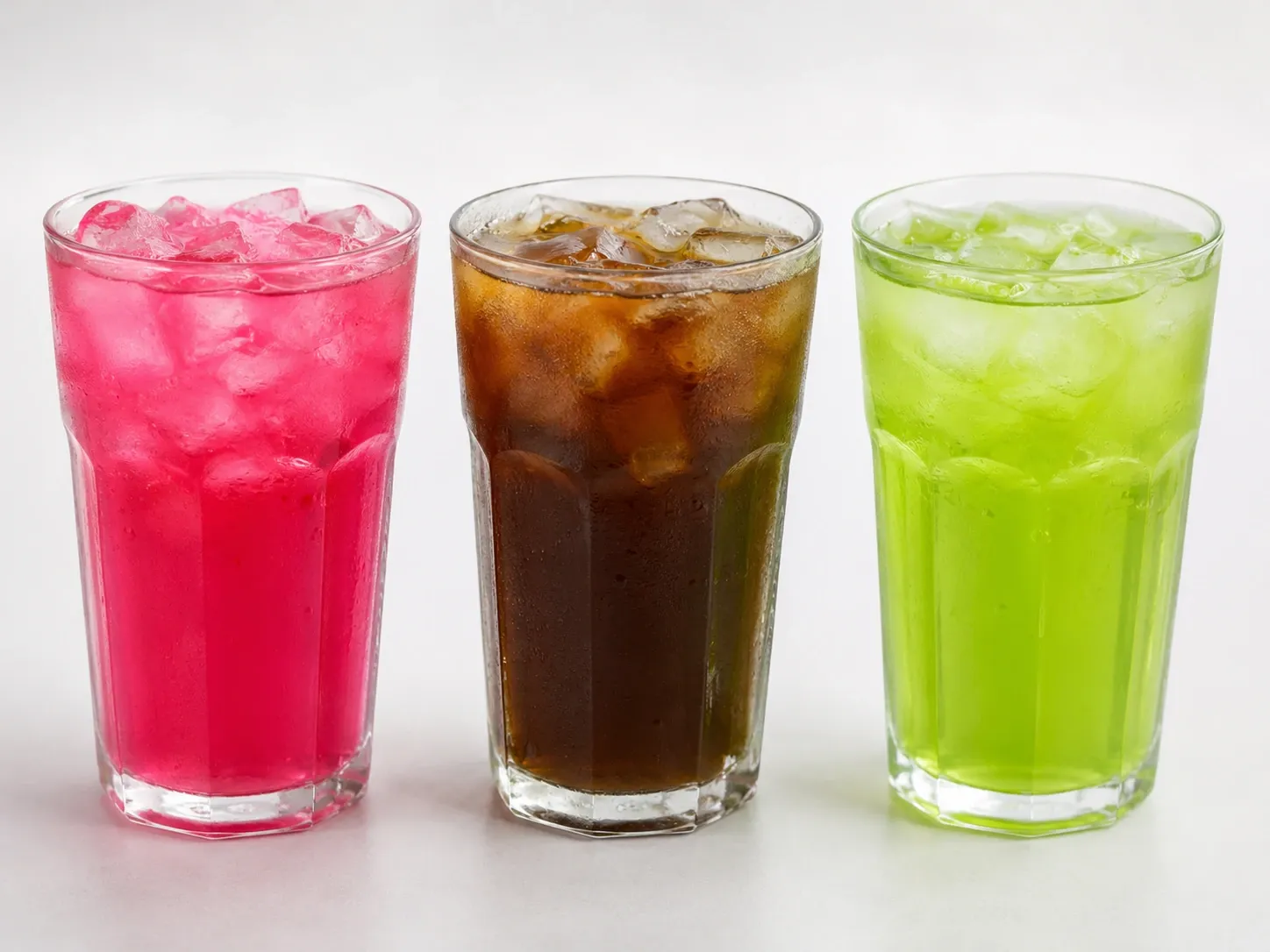
Rose Sharbat (Gulab Sharbat)
Rose sharbat is the most recognised version worldwide. Made from rose syrup or rose water, it has a strong floral scent and a vivid pink or red colour. It is often served with plain water, milk, or ice.
Tamarind Sharbat
Tamarind sharbat brings a sweet and sour balance. It sometimes includes spices, herbs, or a touch of salt, which makes it popular with people who prefer tangy drinks over purely sweet ones.
Lemon Sharbat
Lemon sharbat sits closest to lemonade for a Western palate, though it is usually built from a syrup base and may include mint or floral notes rather than plain lemon juice.
Khus Sharbat
Khus sharbat uses vetiver root syrup for an earthy, cooling flavour. It is a long-standing summer drink across South Asia.
Kokum Sharbat
Kokum sharbat is made from the sour-sweet kokum fruit, common along India's western coast, and gives a deep purple-red drink with a tart edge.
Nannari Sharbat
Nannari sharbat, also called sarsaparilla sharbat, uses the root of the nannari plant for an earthy, slightly bitter-sweet flavour, popular in South India.
Mohabbat Ka Sharbat
Mohabbat ka sharbat, meaning "sharbat of love", is a milk-based rose sharbat set with basil seeds or vermicelli, closer in style to a dessert drink than a simple refresher.
Sekanjabin
Sekanjabin is a Persian sweet-and-sour sharbat made from a vinegar and honey syrup, often infused with mint and served with grated cucumber. It shows how far the sharbat format stretches beyond fruit and flower syrups.
Basil Seed or Sabja Sharbat
Basil seeds work more as an add-in than a flavour of their own. Soaked seeds can go into rose, lemon, tamarind, or almost any other sharbat, adding a soft, gel-like texture without changing the underlying taste much.
How Is Sharbat Served?
Sharbat is almost always served cold, usually in a tall glass with ice. The syrup is stirred into water or milk until the sweetness feels balanced, then finished with extras such as lemon, mint, or soaked basil seeds.
There is no single fixed ratio, since sweetness preference varies by household and region. Proportional Plate suggests a starting point of one part syrup to four or five parts water, adjusting from there to taste.
At home, this typically starts from a bottle of syrup kept in the fridge. For shops, cafes, and restaurants, sharbat can also be sold ready to drink, already mixed and bottled. That format removes the need for staff or customers to measure and stir anything, which makes it a natural fit for convenience stores, foodservice counters, and export orders.
Sharbat Compared With Sherbet, Sorbet, Squash and Juice
These terms get mixed up constantly, so it helps to separate them clearly.
| Term | Reader takeaway |
|---|---|
| Sharbat | Syrup mixed with water, milk, or ice, and it is almost always non-alcoholic. |
| Sherbet | Means something different depending on the country. In the United States, it usually refers to a frozen, fruit-flavoured dessert with a small amount of dairy. |
| Sorbet | A frozen fruit-based dessert eaten with a spoon rather than drunk. |
| Squash | A concentrated fruit syrup diluted with water. It is similar in format to sharbat but usually less spiced or floral. |
| Juice | The liquid pressed directly from fruit or vegetables, without the syrup step that defines sharbat. |
| Falooda | A layered dessert drink, typically built from milk, rose syrup, vermicelli noodles, basil seeds, and sometimes ice cream. |
Is Sharbat Healthy or Good for Hydration?
Sharbat contains water, so it does contribute fluid. But most versions rely on sugar syrup for their sweetness, so it is best treated as a treat rather than a hydration drink.
The CDC recommends plain water as the best everyday choice for hydration, since it has no added sugar or calories. That guidance matters here: CDC data shows that around 63% of American adults drink a sugar-sweetened beverage at least once a day, and frequent intake is linked to weight gain, type 2 diabetes, and other long-term health problems. Sharbat, with its sugar syrup base, falls into that same category.
A sensible approach is to enjoy sharbat occasionally, keep the syrup portion modest, and avoid stacking it with other sugary mixers. If a version includes basil seeds, they are worth mentioning for their traditional role and pleasant texture, not for any medical benefit. Sharbat has no proven link to curing heat exhaustion, aiding digestion, or managing diabetes, whatever older claims might suggest.
Why Sharbat Matters for Retail and Ready-to-Drink Beverages
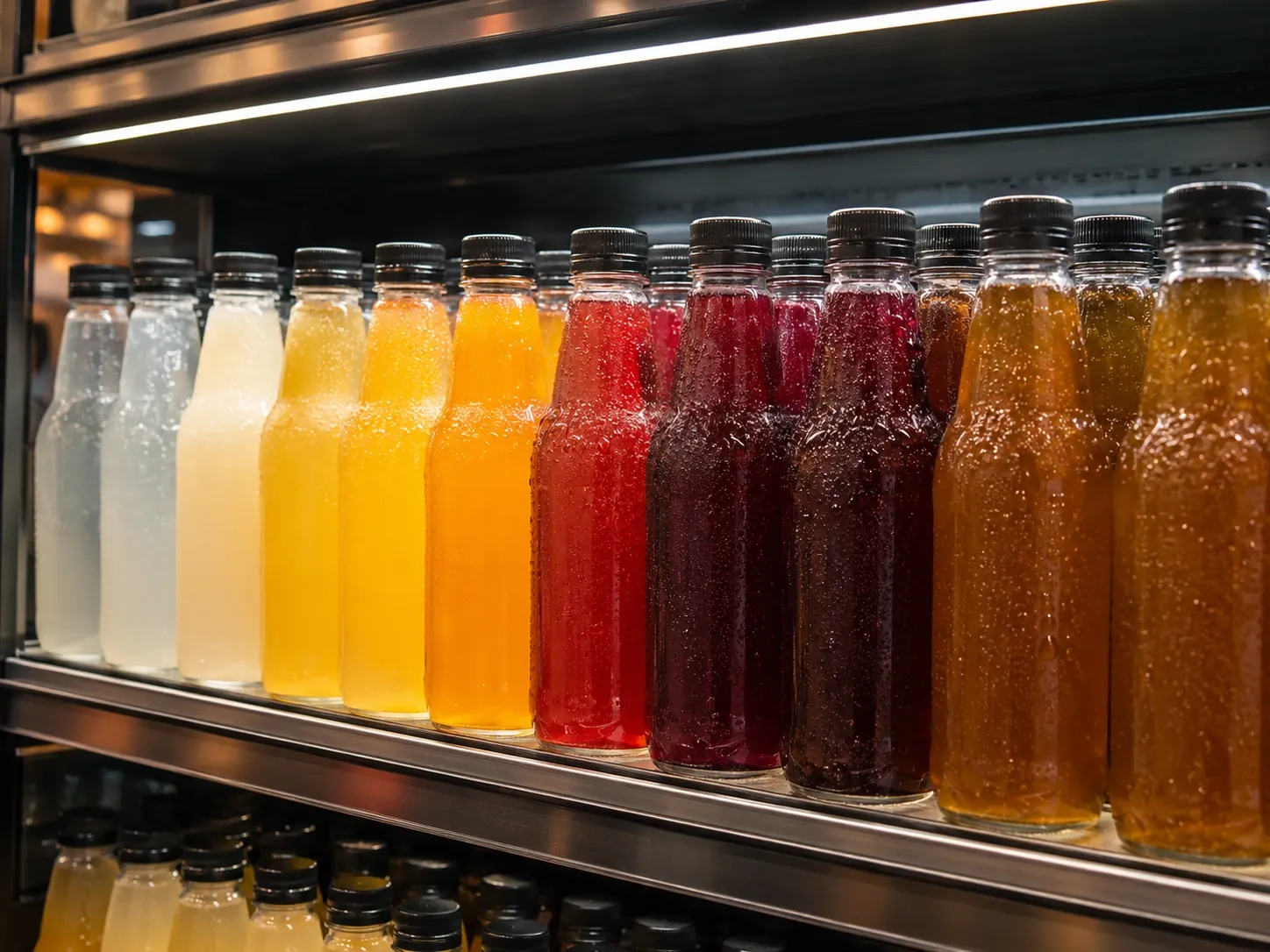
Sharbat sells well because it is already familiar, from South Asian and Middle Eastern communities to anyone who has tried a rose or tamarind drink before. It fits demand for non-alcoholic, halal-friendly, chilled, flavoured beverages, which makes it relevant well beyond its traditional markets.
For a brand built around basil seeds, the opportunity is not to copy a homemade sharbat recipe. It is to show how sharbat connects to basil seed drinks, falooda-style beverages, and ready-to-drink formats that retailers, cafés, and wholesalers already understand.
A good bottled version needs balance: enough sweetness to feel generous, enough acidity to stay refreshing, and enough texture to feel different from a standard soft drink.
Frequently Asked Questions
What is sharbat in simple words?
Sharbat is a sweet drink made by mixing flavoured syrup with water, milk, or ice.
What is sharbat called in English?
Sharbat is called sharbat or sherbet in English. Both spellings come from the same Persian and Arabic root and describe the same family of syrup-based drinks.
Is sharbat a syrup or a drink?
It can be both. Sharbat can mean the concentrated syrup itself, or the finished drink made once that syrup is mixed with water, milk, or ice.
What is sharbat made of?
It is usually made from sugar syrup, water, and a flavour such as rose, lemon, tamarind, pomegranate, or khus. Some versions include soaked basil seeds or chia seeds.
Is sharbat alcoholic?
No. Sharbat is traditionally a non-alcoholic drink, and that holds true across nearly every regional version.
Is sharbat the same as sherbet?
Not exactly. Sharbat usually refers to a drink or its syrup. In the United States, sherbet usually means a frozen dessert with fruit flavour and a little dairy.
Can sharbat have basil seeds?
Yes. Many versions include soaked basil seeds or sabja seeds, which add a soft, gel-like texture. Our basil seeds in water guide explains exactly how that texture forms.
Is sharbat good for summer?
Sharbat is commonly served cold in summer and works well as an occasional refresher. Because it is usually sweetened, it is better enjoyed as a treat than relied on as a hydration drink.
Where can I find a basil seed sharbat recipe?
Our basil seeds drink recipe page walks through a simple version you can make at home, along with soaking times and ratios.
References
Mr Basil Drinks

About the Author
Mr Basil Editorial Team
The Mr Basil Editorial Team brings together expertise in global beverage development, distribution, and market trends. The team provides reliable, product-focused insights to support distributors, wholesalers, and beverage professionals.
Leave a comment
Other Blogs


.png)


Our global certification


Working with Mr Basil
Mr Basil ships basil seed drinks in container quantities to distributors, importers, and retailers across 5 continents. 25+ flavours. Halal, BRC, FDA, and ISO certified. 300 containers per month capacity.
Wholesale and container orders
Stock the Mr Basil range. MOQ from 1 × 20ft container.
Wholesale OrdersBecome a distribution partner
Open territories available worldwide. Full marketing support included.
Become a PartnerPrivate label and OEM
Sell basil seed drinks under your own brand. Your label, our factories.
Private Label and OEM


Insights And Market Trends
Explore market trends, growth opportunities in beverages.

No comment yet. Be the first to comment!